Helideck Operations Observation Program (HOOP)
1. Identify Offshore Operational Threats Early
1. Identify Offshore Operational Threats Early
1. Identify Offshore Operational Threats Early
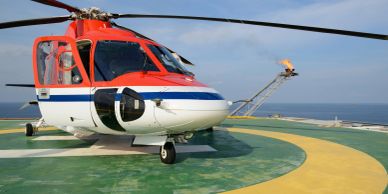
Detect environmental, technical, organisational and human-performance threats before they develop into incidents or unsafe helideck conditions.
2. Monitor Compliance with Procedures
1. Identify Offshore Operational Threats Early
1. Identify Offshore Operational Threats Early

Assess how consistently helideck crews follow approved procedures, checklists, role responsibilities and recognised industry best practices during each operating cycle.
3. Strengthen Threat and Error Management
1. Identify Offshore Operational Threats Early
3. Strengthen Threat and Error Management
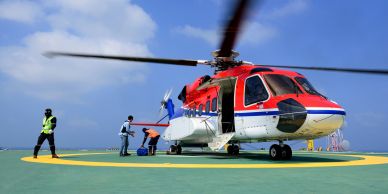
Capture how threats are managed, identify operational errors and determine whether effective recovery actions prevent them from progressing into Undesired Helideck States.
4. Improve Human Performance and Teamwork
5. Generate Predictive Safety Intelligence
3. Strengthen Threat and Error Management
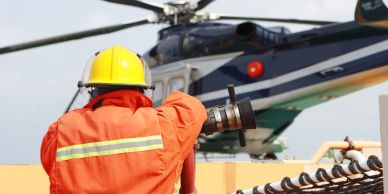
Evaluate Behavioural Markers and Non-Technical Skills such as communication, leadership, situational awareness, decision-making, workload management and stop-work intervention.
5. Generate Predictive Safety Intelligence
5. Generate Predictive Safety Intelligence
5. Generate Predictive Safety Intelligence

Convert frontline observations into structured data that reveals recurring hazards, procedural drift, weak barriers, emerging trends and areas requiring additional assurance.
6. Support Continuous Safety Improvement
5. Generate Predictive Safety Intelligence
5. Generate Predictive Safety Intelligence
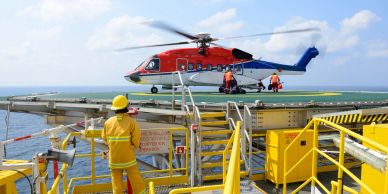
Use observation findings to guide corrective actions, targeted training, procedural updates, management review and verification that safety improvements remain effective.

Tailored Helideck Operations Observation Program
Safety Benefits of HOOP
1. Earlier Identification of Emerging Risk
HOOP identifies operational threats, procedural weaknesses and changing conditions before they develop into incidents, injuries or aircraft damage.
2. Reduction in Procedural Drift
Regular observation shows where approved procedures are being shortened, adapted or bypassed, allowing corrective action before unsafe practices become normalised.
3. Improved Threat and Error Management
The structured Threat, Error and Undesired Helideck State analysis helps crews recognise hazards, detect errors sooner and recover before safety margins are lost.
4. Stronger Team Communication and Coordination
Behavioural Marker assessment improves briefings, closed-loop communication, role clarity, cross-checking, mutual support and coordination between HLOs, HDAs, HERT personnel and flight crews.
5. Enhanced Stop-Work and Intervention Culture
HOOP reinforces the authority and responsibility of personnel to challenge unsafe conditions, stop an operation and escalate concerns without fear of blame.
6. Better Control of High-Risk Helideck Activities
The program provides focused assurance during passenger movement, baggage handling, refuelling, rotors-running operations, adverse weather, degraded systems and emergency response.
7. Improved Emergency Preparedness
Observation of emergency drills and abnormal operations identifies weaknesses in alarm activation, firefighting readiness, rescue coordination, casualty handling and command arrangements.
8. More Effective Safety Barriers
HOOP confirms whether technical, procedural and human barriers are present, understood and effective, including lighting, communications, weather reporting, firefighting systems and operational restrictions.
9. Predictive Safety Intelligence
Trend analysis converts frontline observations into leading indicators, enabling management to identify recurring threats and weak controls before they contribute to an accident.
10. Targeted Training and Competence Improvement
Findings help organisations focus training, coaching and recurrent assessment on the specific tasks, behaviours and operating cycles where improvement is most needed.
11. Stronger Corrective Action Management
Observed findings can be linked directly to corrective and preventive actions, accountable owners, due dates and effectiveness reviews.
12. Continuous Improvement in Helideck Safety
HOOP creates a structured feedback loop between frontline personnel, supervisors, technical specialists and management, supporting safer procedures, better equipment and more resilient operations.
Would you like to discuss your own operational requirements?
Contact us today to arrange a full demo of this turnkey operational solution.